JAM MUSIC LAB Private University for Jazz and Popular Music Vienna (Austria)
November 12-14, 2026
download conference program here
download call for contributions here
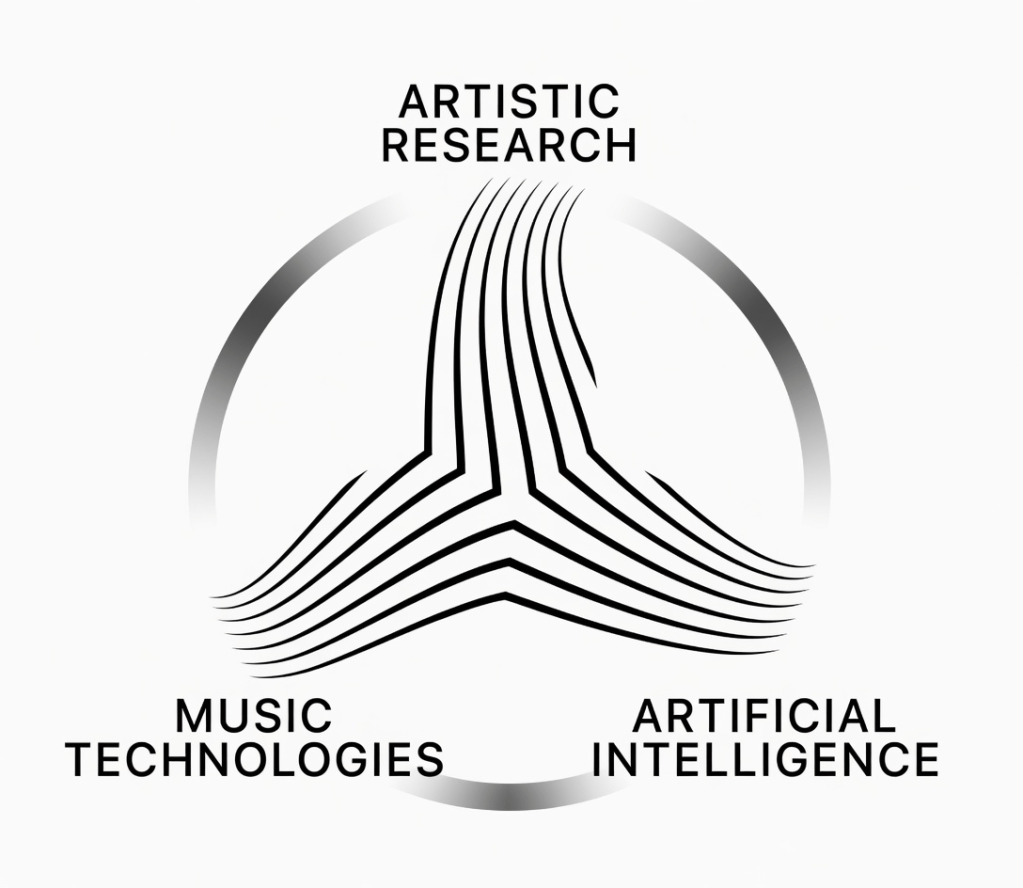
Artistic Research (AR) integrates creative practice with critical reflection to generate new knowledge, particularly in jazz, popular music and media music, where technology plays a transformative role. AR perceives artistic processes including improvisation, composition, performance and production as primary sites of inquiry, documenting how tools ranging from physical interfaces to artificial intelligence reshape sonic expression, creative workflows and cultural meanings. In jazz, technology extends improvisational traditions; in popular music, it influences groove, songwriting, accessibility and distribution; in media music, it enables adaptive scoring for film, games and interactive narratives.
Technology can be understood not merely as a set of instrumental tools but as a broader “mode of revealing” (Heidegger 1977). Extending this perspective, scholars have argued that social and cultural practices may function as “technologies of the self,” shaping identity and collective experience (Foucault 1988). This conference explores the continuum from hands-on instrument making to AI co-creation, emphasizing experimentation in and through artistic practice, reflective documentation and interdisciplinary collaboration. Furthermore, it addresses policy questions around ethics, accessibility, education and equity while foregrounding embodied artistic practice as a rigorous method for uncovering technology’s affordances and limitations in contemporary music-making.
Contributions address one or more of the following topics or to introduce new and alternative research ideas:
1. Artificial Intelligence – Artistic Intelligence
How can AR methods apply AI to co-act with, foster or challenge artistic intelligence?How can AR methods be applied to better understand what distinguishes human artistic intelligence from AI? This strand invites contributions that focus on the complex relationship between artificial and artistic intelligence.
2. New (and old) Instruments, Interfaces and Embodied Performance Technologies
How do physical and digital instruments, interfaces and embodied performance technologies reshape experiences and concepts of corporeality, sonic expression, creative workflows, and cultural meanings? This strand invites contributions that explore the manifold affordances of tools from conceptual technologies and physical interfaces to AI technology.
3. Technology in Improvisation, Composition, Songwriting and Co-Creation
From technological conceptualizations of creative work (Dell 2010) to practical applications of technological tools in improvisation, composition, songwriting and for collaborative creating: this strand invites contributions that investigate the interrelations of conceptual, physical, and digital tools with creative processes.
4. Digital Recording, Production Technologies and Media Ecosystems
We invite contributions that critically examine the rapidly evolving landscape of digital recording, production technologies and contemporary media ecosystems and how these tools reshape artistic authorship, sonic aesthetics and distribution in musical practice. Artistic researchers are encouraged to present practice-based explorations, new methodologies or theoretical reflections on how technological infrastructures influence creative processes, cultures of listening and the ecology of today’s music-making.
5. Human–AI Co-Creation and Generative Music Systems
This conference welcomes artistic research that investigates human–AI collaboration, co-creation and the artistic potential of generative music systems, addressing questions of agency, creativity and authorship in human-machine musical partnerships. We particularly encourage submissions that document practice-led experiments, present new artistic works or critically reflect on the aesthetic, ethical and philosophical implications of working with AI in music.
6. Dissolving Genre Boundaries
Over the past decades, experienced or assumed boundaries between genres centered on improvisation have become increasingly blurry. How did technological innovations, along with the resulting changes in the application and integration of technological tools in creative work, contribute to this process? This strand invites contributions that examine interrelations between technological transformation and conceptualization of genre.
7. Innovative Pedagogies
The consideration of artistic research in pedagogy involves the development of new teaching formats, curriculum designs and mentoring approaches. Artistic researchers and educators are invited to share experimental methods, case studies or theoretical frameworks that challenge traditional models and foster critical, creative and reflective learning environments. This strand invites contributions presenting innovative pedagogies in jazz and popular music practices — both within and outside conventional jazz programs — across a broad array of approaches.
8. Cultural, Ethical and Societal Impacts: Policy, Identity, Equity and Media Representation
This strand invites contributions that focus on the cultural, ethical and societal dimensions of technological concepts and tools and their relation to individual and collective artistic practices.
Conference Committee:
Sebastian Bailey (doctoral researcher, University of Toronto / Universität der Künste Berlin)
Andrew Bain (Royal Welsh College of Music & Drama)
Mike Fletcher (Royal Birmingham Conservatoire)
Birgitta Flick (independent researcher)
Monika Herzig (JAM MUSIC LAB Private University for Jazz and Popular Music Vienna) – Host
Matthias Heyman (Koninklijk Conservatorium Brussel / Vrije Universiteit Brussel)
Michael Kahr (JAM MUSIC LAB Private University for Jazz and Popular Music Vienna) – Host
The SAR Special Interest Group Artistic Research in Jazz and Popular Music (est. 2026) is based on and will extend the activities of the International Network for Artistic Research in Jazz (INARJ, est. 2019), which was initiated in reaction to the increasing relevance of artistic research perspectives in the academic discourses in jazz studies. The SIG will continue to provide a platform for knowledge exchange and connection between artistic researchers worldwide by organizing regular conferences, projects and publications including the peer-reviewed ARJAZZ Journal for Artistic Research in Jazz via the Research Catalogue.

